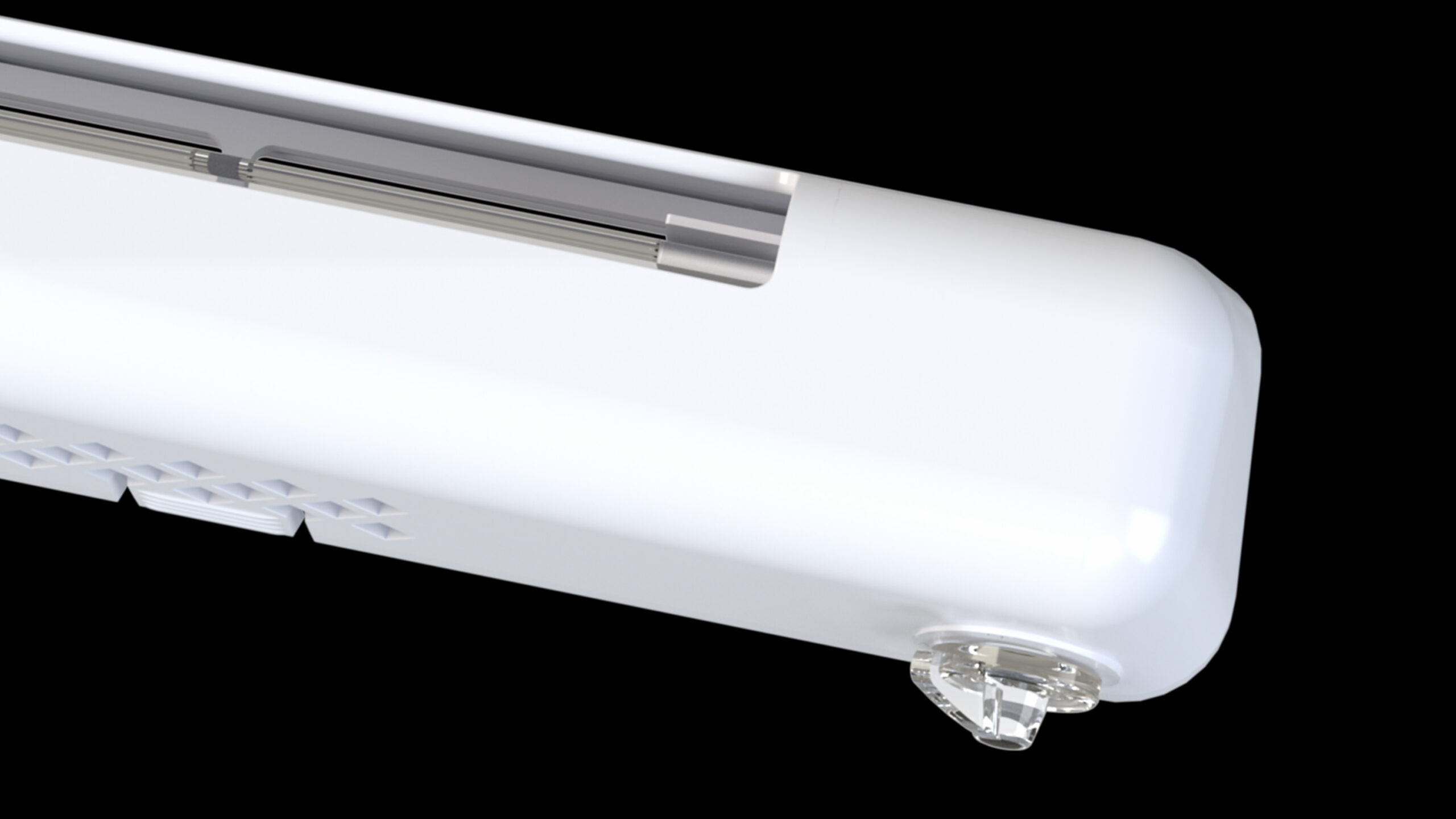
Air Vents

Air vents ensure proper air circulation and maintain optimal humidity levels and comfort in the rooms.

They improve ventilation quality and provide a constant supply of fresh air—even with windows tightly closed.

They combine reliability of operation with an aesthetic design that matches the window joinery.
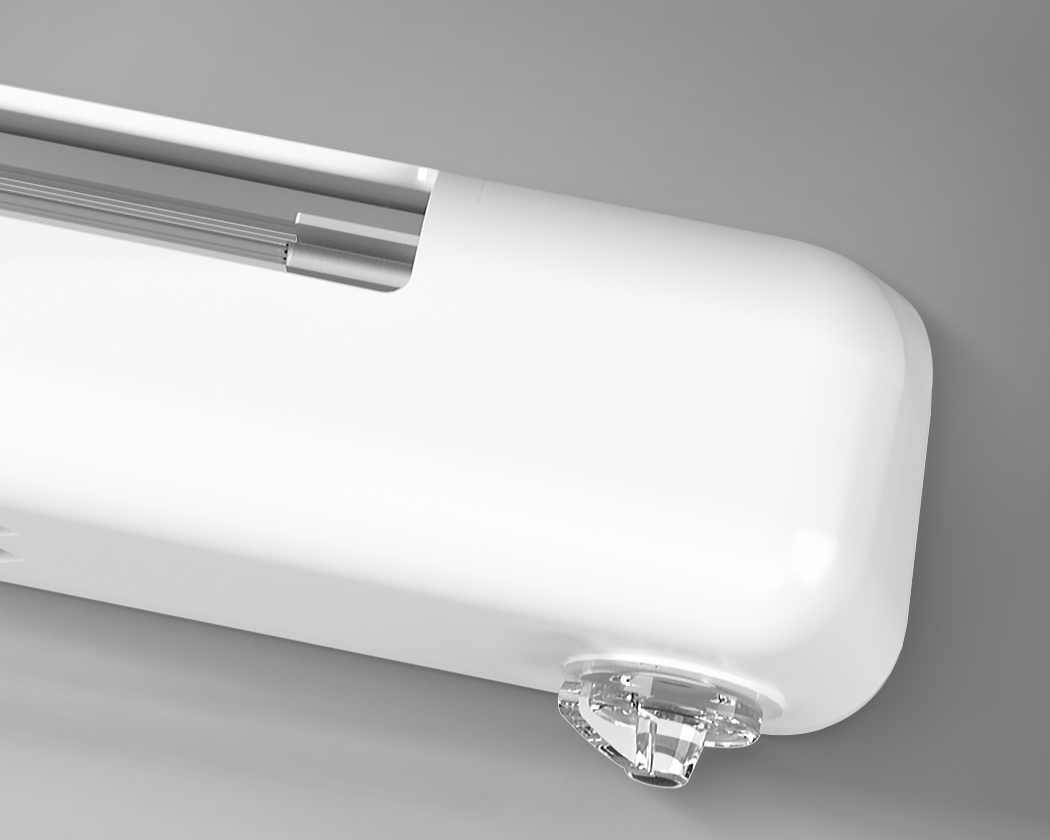
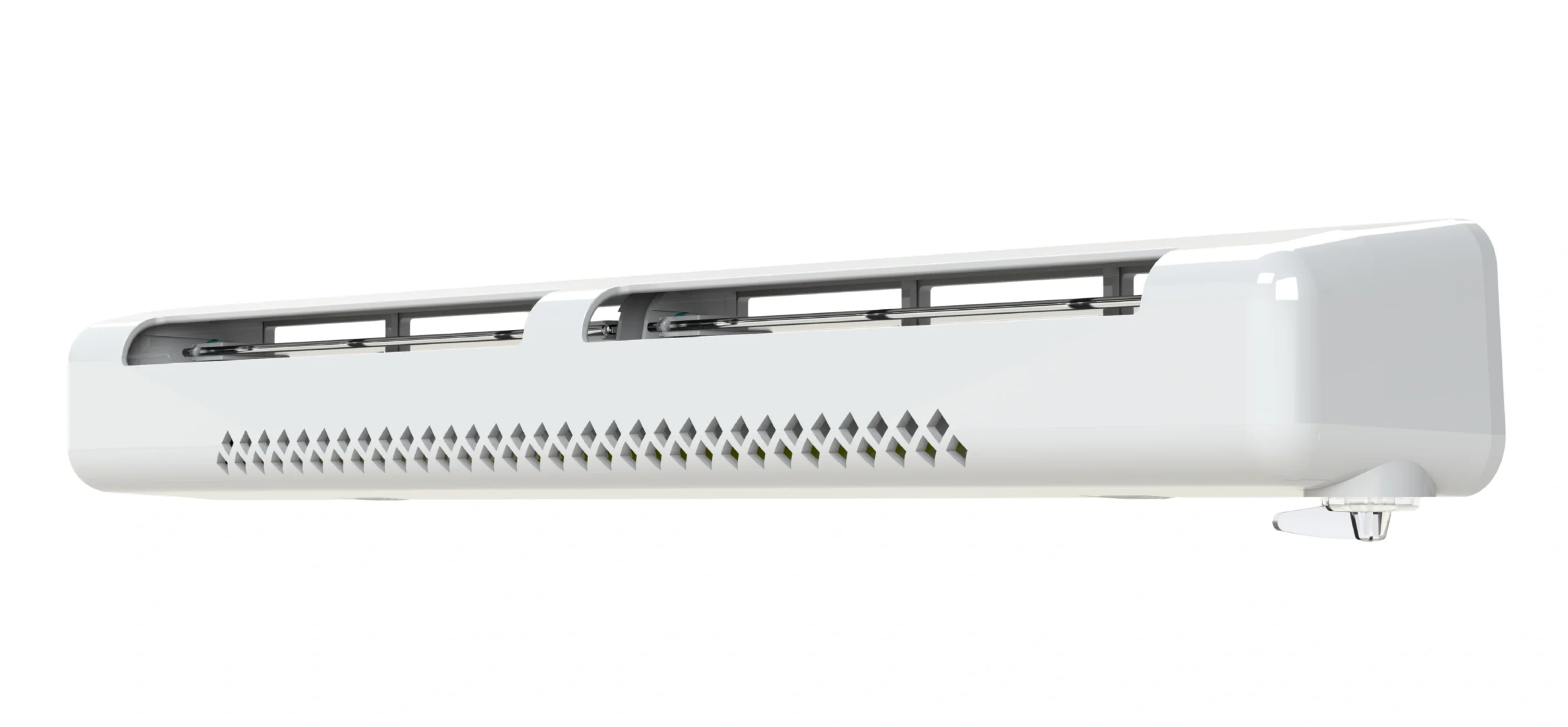
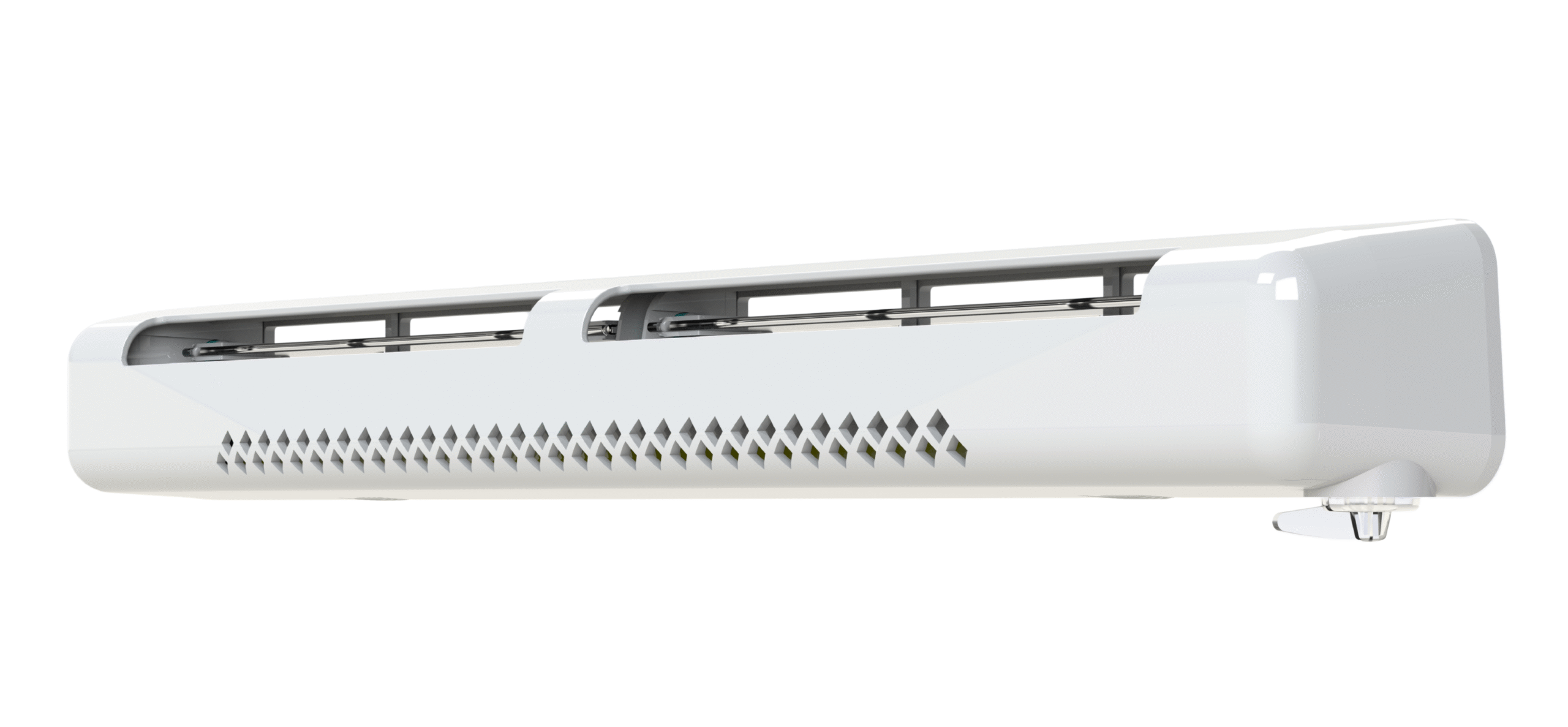
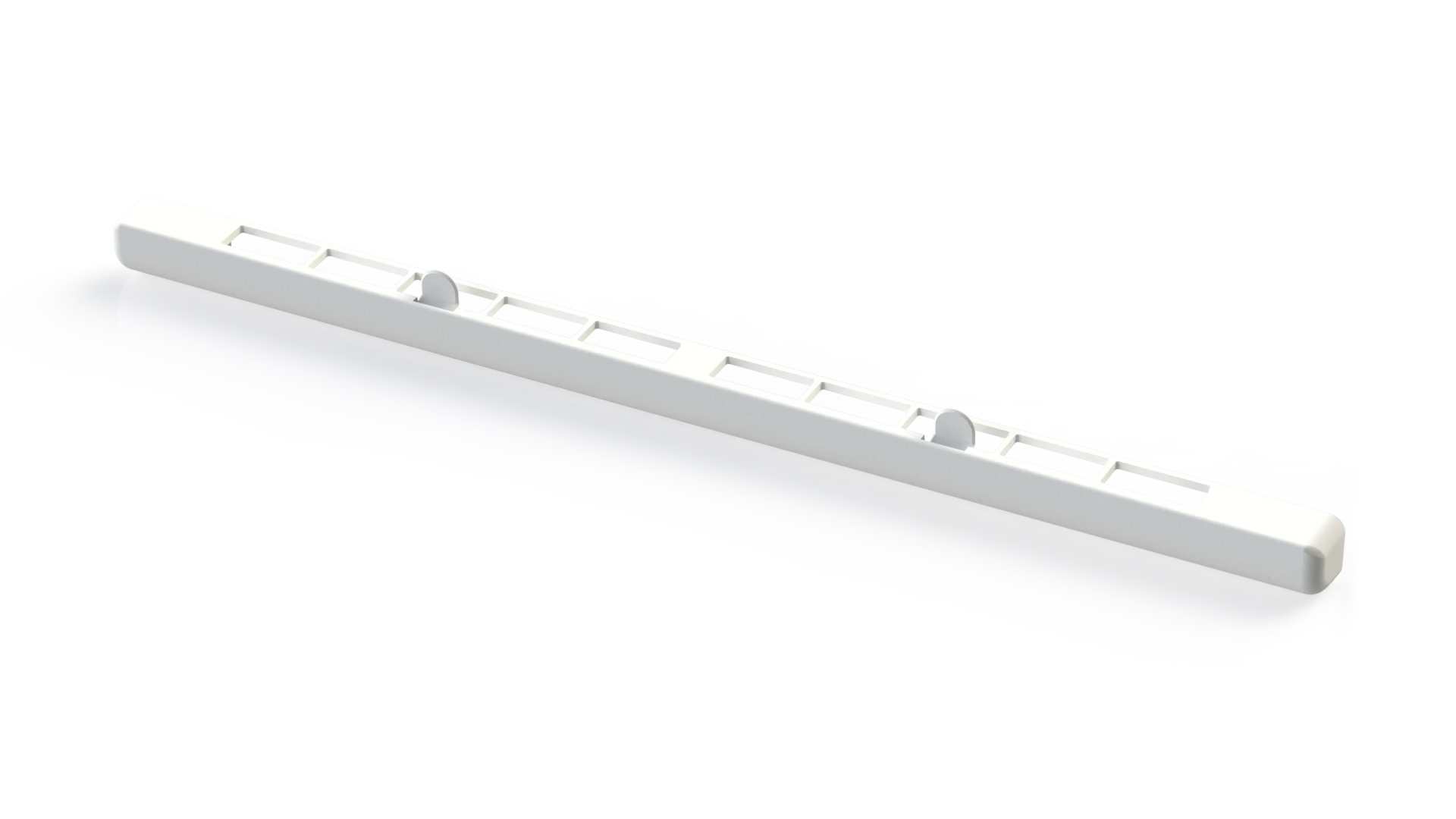
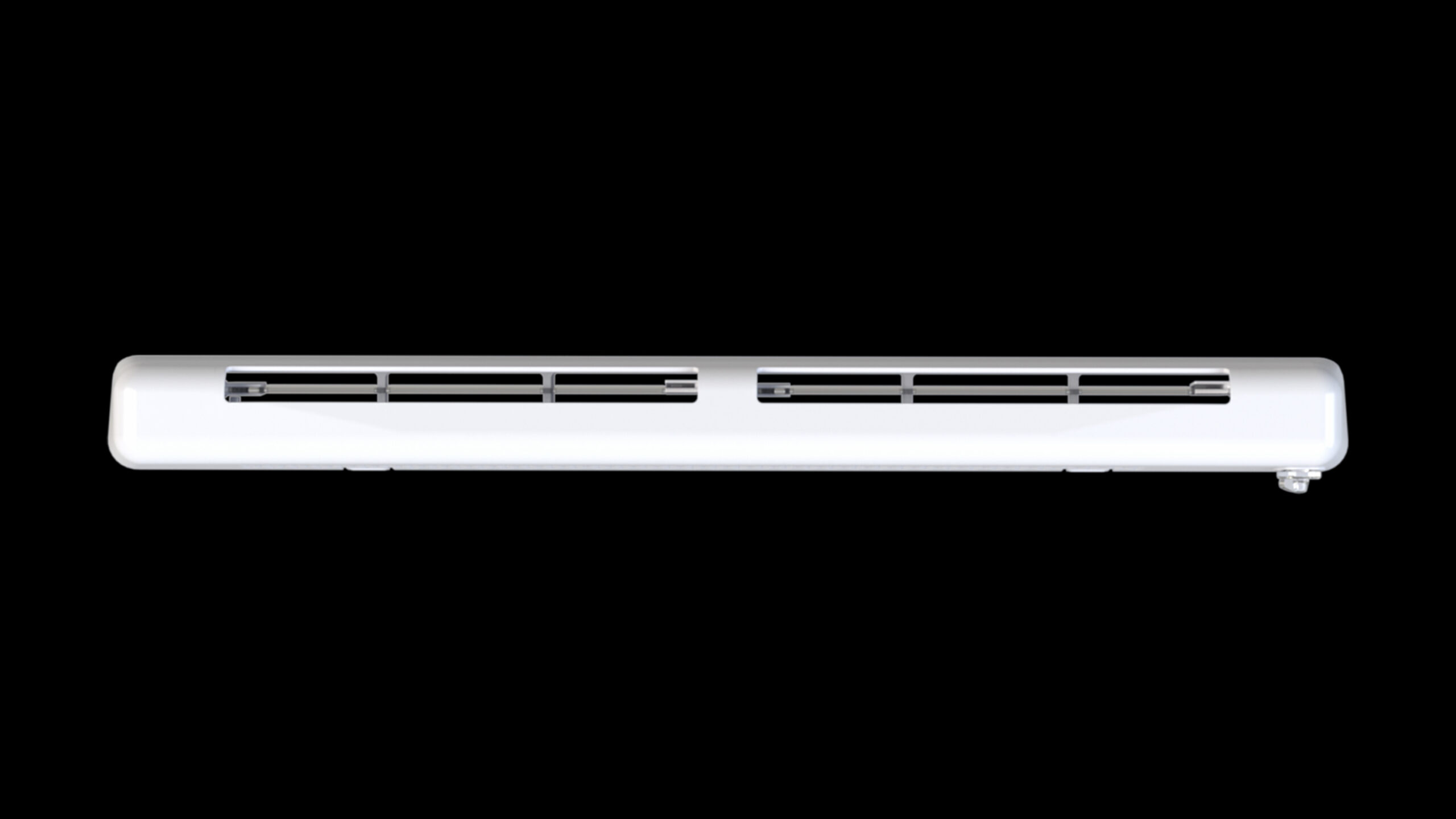
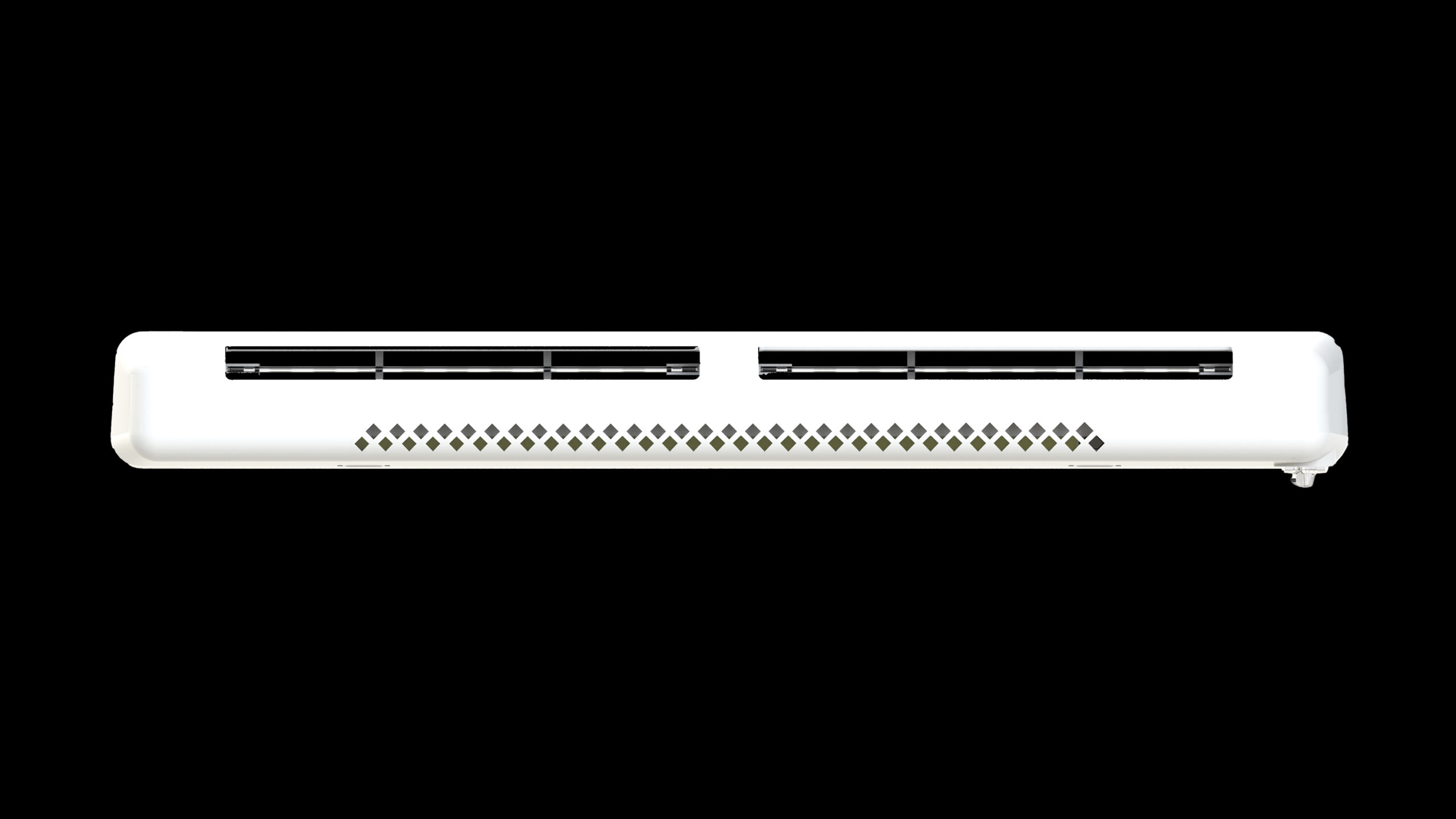
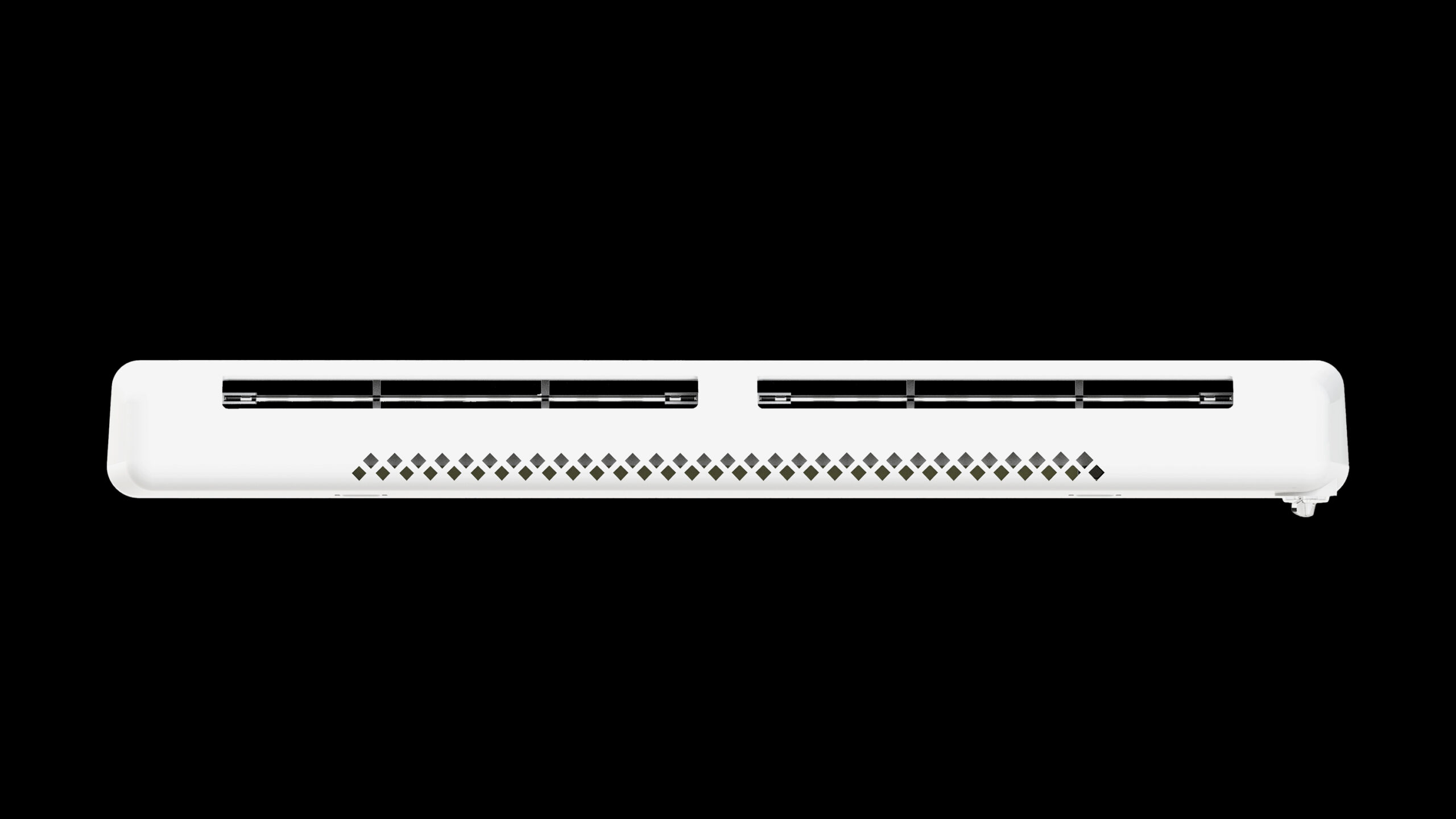
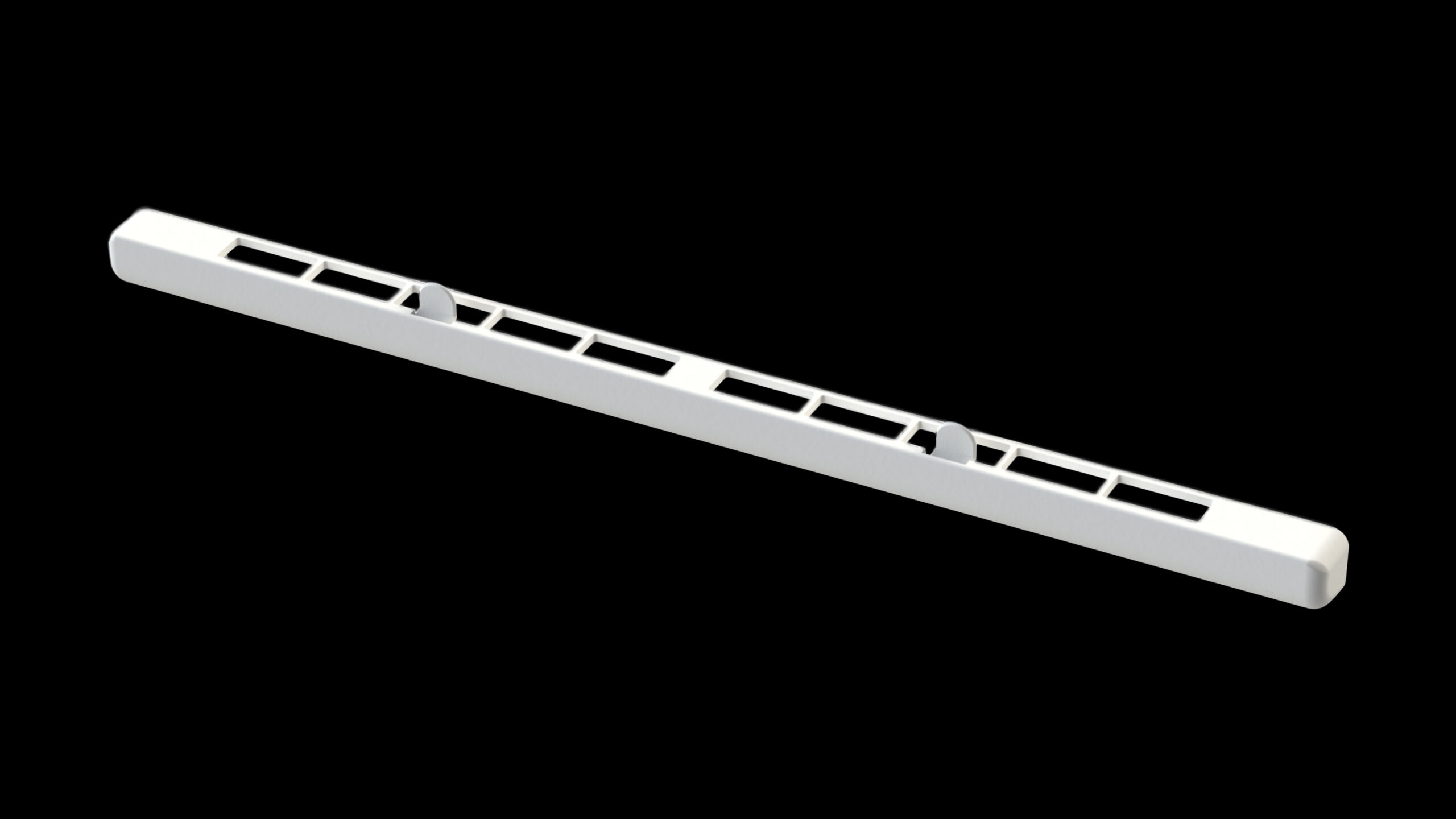
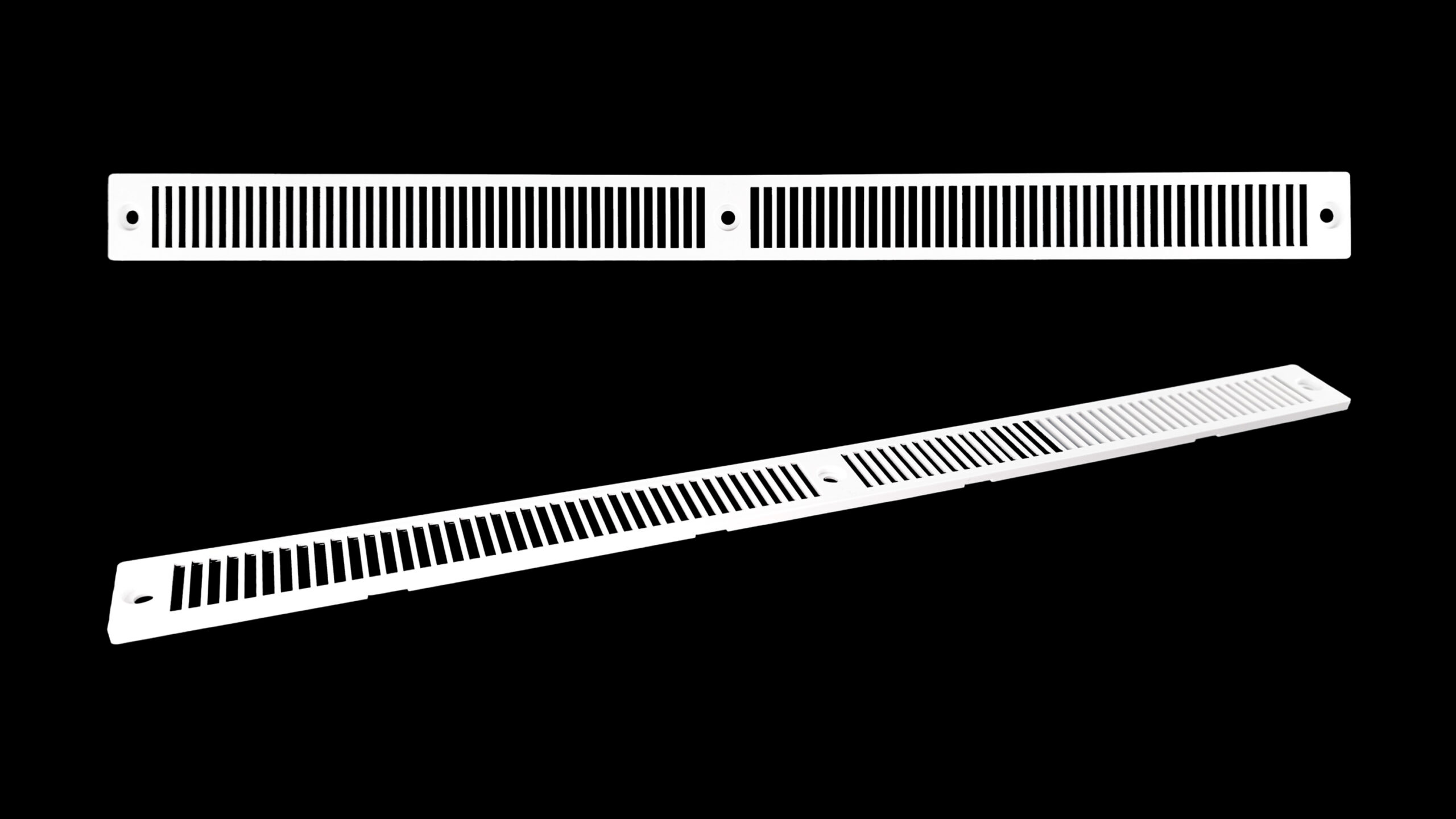
The standard set consists of two parts: the inner part (the air vent) – regulating the amount of air supplied, and the outer part (the hood) – protecting against rain, wind, and insects.

  • Effectively reduce moisture and prevent the formation of mold and fungi.
  • Limit the accumulation of water vapor on the surfaces of windows.
  • Improve air exchange and ensure a fresh microclimate in the room.
  • Require no electrical power or maintenance.
  • Installation complies with current ventilation standards.

The offer includes air vents tailored to individual user needs and room conditions: hygroster-controlled, pressure-controlled (self-regulating), manually operated

Small device. A breath for the home.

Automatically controlled – they respond to the humidity level in the room. The airflow rate is dependent on the amount of water vapor, or relative humidity.

The controlling sensor is a polyamide tape that expands or contracts based on humidity – automatically regulating the opening of the damper. This ensures that exactly the right amount of air flows into the room.

  • Working range: from 35% to 70% relative humidity.
  • Analyzes indoor conditions (the sensor does not contact
    with outdoor air).
  • Ability to lock in the minimum flow position.
  • The direction of the airflow depends on the installation method (vertically upward or diagonally).

The amount of air supplied depends on the pressure difference between the inside and outside. When the pressure increases (e.g., a gust of wind), special flaps automatically tilt, limiting the airflow – which prevents drafts and excessive cooling of the room.

  • Automatic adjustment depending on pressure.
  • Option for manual closing or partially closing the aperture.
  • Comfort and stability of flow regardless of weather conditions.

They allow the user to independently decide on the amount of supplied air. Regulation is achieved by adjusting the damper, enabling the flow to match current needs. They are most commonly used in rooms where regulations do not permit the use of humidity-controlled or pressure-controlled air inlets – for example, in apartments with gas appliances (stoves, water heaters, boilers).

  • Simple, reliable design.
  • Full control of air flow.
  • Ideal for rooms with gas appliances.